Blog

Homeowner’s Guide to Post-Construction Maintenance

After the excitement of building your dream home, the journey doesn’t end there. Ongoing maintenance is essential to preserve your home’s value and ensure it remains a safe and comfortable living space. This blog will provide a comprehensive guide for homeowners on post-construction maintenance, covering key areas to focus on to keep your home in top condition.

Understanding Your Home’s Systems
Familiarize yourself with the various systems in your home, including plumbing, electrical, HVAC, and roofing. Understanding how these systems function will help you identify potential issues early and schedule necessary maintenance. Keep manuals and warranties for appliances and systems in a dedicated file for easy access.

Regular Inspections
Conduct regular inspections of your home’s exterior and interior to identify any maintenance needs. Check for signs of wear and tear, such as cracks in walls, leaks, or issues with roofing and siding. Establish a routine inspection schedule, ideally twice a year, to stay proactive in addressing maintenance issues.

Seasonal Maintenance Tasks
Perform seasonal maintenance tasks to keep your home in optimal condition. Some tasks to include:

  • Spring: Clean gutters, inspect the roof for damage, check for pests, and service the HVAC system.
  • Summer: Test smoke detectors and carbon monoxide alarms, inspect outdoor spaces for wear, and clean outdoor appliances.
  • Fall: Winterize outdoor plumbing, clean and inspect the chimney, and prepare the heating system for winter.
  • Winter: Monitor for ice damming, check insulation in attics and basements, and ensure proper ventilation.

Exterior Maintenance
Maintain your home’s exterior to protect it from the elements. Regularly wash windows and siding, touch up paint as needed, and ensure proper drainage around the foundation. Inspect and maintain outdoor features like decks, patios, and landscaping to prevent long-term damage.

Interior Maintenance
Don’t neglect the interior of your home. Regularly clean and maintain appliances, replace filters in HVAC systems, and check for leaks under sinks and around toilets. Schedule deep cleaning tasks like carpet cleaning and air duct cleaning to improve indoor air quality.

Emergency Preparedness
Be prepared for emergencies by knowing how to shut off your home’s utilities, such as water, gas, and electricity. Create a list of local emergency contacts and develop a family emergency plan. Regularly review and update this plan to ensure everyone knows what to do in case of an emergency.

Post-construction maintenance is essential for protecting your investment and ensuring your home remains a safe and comfortable space for you and your family. By understanding your home’s systems, conducting regular inspections, and performing seasonal maintenance tasks, you can prevent costly repairs and preserve your home’s value for years to come. Embrace the responsibility of homeownership and enjoy the rewards of a well-maintained dream home.

The post Homeowner’s Guide to Post-Construction Maintenance first appeared on Chuck Schmalzried|Michelle Construction.

from Chuck Schmalzried|Michelle Construction http://chuckschmalzried.com/homeowners-guide-to-post-construction-maintenance/?utm_source=rss&utm_medium=rss&utm_campaign=homeowners-guide-to-post-construction-maintenance

Understanding Holistic Health: A Comprehensive Approach to Wellness

Holistic health is a comprehensive approach to wellness that considers the whole person — mind, body, and spirit — rather than focusing solely on physical symptoms. This philosophy emphasizes that all aspects of health are interconnected, meaning that one’s mental and emotional state can significantly affect their physical well-being, and vice versa.

What is Holistic Health?

At its core, holistic health aims to treat the individual, not just the disease. This approach is deeply rooted in the belief that health is more than just the absence of illness. Holistic health considers factors such as emotional balance, mental clarity, and spiritual fulfillment as key components to achieving optimal health. Unlike conventional medicine, which often focuses on treating symptoms, holistic health strives to address the underlying causes of health issues.

Holistic practices vary widely, ranging from acupuncture and herbal medicine to mindfulness and yoga. However, they all share a common goal: to foster balance and harmony in all areas of a person’s life. By integrating these various practices, holistic health encourages individuals to take charge of their health through a proactive and preventive approach.

The Mind-Body-Spirit Connection

The concept of mind-body-spirit balance is fundamental to holistic health. Many cultures, including traditional Chinese and Ayurvedic medicine, have long recognized the powerful connection between the mind and body. The physical body responds to emotional and mental states, which is why stress or anxiety can manifest as physical symptoms like headaches, muscle tension, or digestive issues.

Holistic practitioners view health as a dynamic equilibrium. They believe that when one aspect of health is out of balance, it can disrupt overall well-being. For instance, chronic stress not only impacts mental health but can also weaken the immune system, making the body more vulnerable to illness. On the flip side, physical discomfort or pain can lead to emotional distress, highlighting the importance of addressing all facets of health for true healing.

Holistic Health vs. Conventional Medicine

Conventional medicine often excels at treating acute conditions and medical emergencies, but it can fall short when it comes to chronic conditions and preventive care. In contrast, holistic health is grounded in the idea of treating the root cause of a condition rather than merely alleviating symptoms. For example, instead of prescribing medication for high blood pressure, a holistic practitioner might explore the individual’s diet, stress levels, and emotional state to understand the underlying factors contributing to the condition.

Holistic health practitioners also place a significant emphasis on lifestyle changes, promoting habits that support long-term well-being. Regular exercise, balanced nutrition, adequate sleep, and mindfulness practices are all part of a holistic approach to maintaining health.

Benefits of Holistic Health

One of the primary benefits of holistic health is its personalized approach. By considering the unique physical, emotional, and spiritual needs of an individual, holistic health care plans are tailored to support overall well-being. This can lead to more sustainable, long-lasting results than one-size-fits-all medical treatments.

Another advantage is the focus on prevention. Holistic health empowers individuals to take an active role in maintaining their health through preventive measures, rather than waiting for symptoms of illness to appear. Practices like meditation, yoga, and proper nutrition can help maintain mental clarity, emotional stability, and physical health, reducing the likelihood of chronic diseases.

Additionally, holistic health promotes natural, non-invasive therapies whenever possible. While conventional medicine often relies on pharmaceuticals or surgery, holistic practices aim to minimize interventions, encouraging the body’s natural healing processes instead.

Is Holistic Health Right for You?

Holistic health can be a beneficial complement to conventional treatments or a stand-alone approach for those seeking a more integrated form of care. It is especially valuable for individuals who experience chronic conditions or are looking for ways to enhance their overall well-being.

If you’re considering holistic health, it’s essential to consult with a qualified practitioner who can assess your specific needs and guide you on your journey. Whether you’re seeking to manage stress, improve your energy levels, or address a specific health concern, holistic health offers a path to healing that considers your body as a whole — a balance of mind, body, and spirit.

The post Understanding Holistic Health: A Comprehensive Approach to Wellness first appeared on Chuck Schmalzried| Holistic Treatments.

from Chuck Schmalzried| Holistic Treatments http://chuckschmalzried.org/understanding-holistic-health-a-comprehensive-approach-to-wellness/?utm_source=rss&utm_medium=rss&utm_campaign=understanding-holistic-health-a-comprehensive-approach-to-wellness

Forgotten Heroes: The Stories of Vietnam War Veterans

The Vietnam War was a conflict that divided a nation and left lasting scars on those who fought in it. Unlike previous wars, Vietnam veterans returned home to a society that was often indifferent or even hostile toward their service. These veterans, many of whom were still in their early 20s, had risked their lives in a brutal and unforgiving environment only to be met with rejection upon their return. Their stories are a poignant reminder of the human cost of war and the enduring impact of conflict on those who serve.

Fighting in a New Kind of War

The jungles of Vietnam were unlike any battlefield American soldiers had ever experienced. The dense foliage and tropical climate, combined with guerrilla warfare tactics used by the Viet Cong, made combat extremely difficult. One such veteran, Sergeant David Ramirez, recalls the intensity of the combat. “It wasn’t just about fighting an enemy you couldn’t see; it was about surviving the environment,” he said. “We were constantly battling the heat, the insects, and the uncertainty of where the next attack might come from.”

For many soldiers, the war was a constant struggle to survive. Corporal Lisa Greene, one of the few women who served as a nurse in Vietnam, described the never-ending stream of casualties in field hospitals. “You couldn’t even stop to think about what was happening. We were overwhelmed with soldiers coming in, many of them with injuries we had never seen before. But we did what we could to save them.” Greene’s experiences underscore the devastating human toll of the conflict, both on the battlefield and in the hospitals where soldiers fought for their lives.

The Return Home: A Cold Reception

Unlike veterans of previous wars, Vietnam War veterans were not greeted as heroes when they returned to the United States. The war had become increasingly unpopular, and many veterans faced protests and scorn rather than gratitude for their service. James Franklin, a helicopter pilot during the war, recalls being spit on when he arrived home. “I couldn’t believe it. We had just come back from hell, and people were treating us like criminals,” he said. Franklin’s story is not unique; many Vietnam veterans faced similar hostility.

This cold reception took a heavy emotional toll on veterans, many of whom struggled to adjust to civilian life. Post-traumatic stress disorder (PTSD) was widespread among Vietnam veterans, but at the time, there was little understanding or support for those suffering from it. Many veterans, like Franklin, found it difficult to talk about their experiences and were left to deal with the psychological scars of war on their own.

Finding Strength in the Aftermath

Despite the challenges they faced, many Vietnam veterans found ways to rebuild their lives and contribute to their communities. Thomas Evans, who served as a Marine during the war, went on to become a schoolteacher and mentor to troubled youth. “I knew what it was like to feel lost and abandoned,” he said. “I wanted to help kids who were going through tough times to find a way out.” Evans’ story is a testament to the resilience and strength of Vietnam veterans, who, despite the odds, found ways to give back and make a difference in their communities.

Some veterans also became vocal advocates for their fellow soldiers, pushing for better healthcare and recognition of the mental health challenges many of them faced. Lisa Greene, the nurse who served in Vietnam, became an advocate for veterans’ mental health services. “We didn’t have the support we needed when we came back, and I wanted to make sure future generations didn’t go through the same thing,” she said.

A Legacy of Sacrifice and Courage

The stories of Vietnam War veterans are ones of courage, sacrifice, and resilience. Despite facing an often hostile homecoming, these veterans continued to serve their country in new ways, whether through advocacy, mentorship, or simply by telling their stories. Their experiences are a reminder of the heavy price of war and the importance of honoring those who serve, regardless of the political climate of the time.

As we reflect on the Vietnam War, it’s crucial to remember the personal struggles of those who fought in it. The war may have ended decades ago, but its impact continues to be felt in the lives of the veterans who lived through it. Their stories deserve to be told, not just as a part of history, but as a tribute to the enduring strength of the human spirit.

The post Forgotten Heroes: The Stories of Vietnam War Veterans first appeared on Chuck Schmalzried | Stories of Heroes.

from Chuck Schmalzried | Stories of Heroes http://chuckschmalzried.net/forgotten-heroes-the-stories-of-vietnam-war-veterans/?utm_source=rss&utm_medium=rss&utm_campaign=forgotten-heroes-the-stories-of-vietnam-war-veterans

Choosing the Right Builder: Tips for Homeowners

Choosing the right builder is a critical decision in the home building process. The right builder not only helps bring your vision to life but also ensures quality construction and a smooth experience. Here are some essential tips to guide you in selecting the ideal builder for your project.

Researching Builders
Start your search by researching potential builders in your area. Utilize online resources such as websites, social media platforms, and local directories. Look for builders who specialize in the type of home you want, whether it’s a custom build, modular home, or renovation. Attend local home shows or expos to meet builders in person and view their work.

Evaluating Credentials
Once you have a list of potential builders, verify their credentials. Check for the necessary licenses and insurance coverage, including liability and workers’ compensation. A reputable builder should also be a member of professional organizations such as the National Association of Home Builders (NAHB) or your local builders’ association. Membership in these organizations indicates a commitment to industry standards and ethical practices.

Interviewing Potential Builders
Schedule interviews with potential builders to discuss your project. Prepare a list of questions to ask about their experience, construction methods, timelines, and subcontractors. Inquire about their previous projects and request references from past clients. Pay attention to their communication style—effective communication is vital throughout the building process.

Reading Reviews and Checking References
Reviews and testimonials provide valuable insights into a builder’s reputation. Look for reviews on reputable platforms like Google, Yelp, and the Better Business Bureau (BBB). Additionally, contact references provided by the builder. Ask about their experience, quality of work, adherence to timelines, and how any issues were handled during construction.

Assessing Communication and Compatibility
Effective communication is crucial in any construction project. Evaluate how responsive the builder is to your inquiries during the selection process. Do they listen to your needs and concerns? A builder who values open communication will likely be easier to work with throughout the project. Choose someone you feel comfortable discussing ideas and concerns with, as this relationship will be pivotal during the construction phase.

Reviewing Contracts and Warranties
Before signing a contract, carefully review all terms and conditions. Ensure that the contract clearly outlines the scope of work, payment schedules, timelines, and warranty information. A reputable builder will provide warranties for their work, which can give you peace of mind regarding future repairs and maintenance.

Selecting the right builder is an essential part of the home building process. By thoroughly researching, evaluating credentials, and fostering open communication, you can find a builder who will bring your dream home to life. Trust your instincts and choose someone you feel confident working with, as this decision will greatly impact your home-building experience.

The post Choosing the Right Builder: Tips for Homeowners first appeared on Chuck Schmalzried|Michelle Construction.

from Chuck Schmalzried|Michelle Construction http://chuckschmalzried.com/choosing-the-right-builder-tips-for-homeowners/?utm_source=rss&utm_medium=rss&utm_campaign=choosing-the-right-builder-tips-for-homeowners

Holistic Nutrition: Eating for Energy, Immunity, and Longevity

Holistic nutrition goes beyond counting calories or balancing macronutrients—it’s about nurturing the body with whole, nutrient-rich foods to enhance energy, boost immunity, and promote long-term wellness. By focusing on natural, unprocessed foods and mindful eating, holistic nutrition aims to support the body’s innate ability to heal and thrive. Here’s a look at how holistic nutrition can powerfully impact energy, immunity, and longevity.

Eating for Sustained Energy

Energy is at the core of daily productivity and mental clarity, and the foods we eat play a crucial role in maintaining that vitality. Holistic nutrition prioritizes foods that provide sustained energy, favoring complex carbohydrates, healthy fats, and high-quality proteins over processed foods and simple sugars. Foods like oats, sweet potatoes, avocados, nuts, and leafy greens are excellent choices for long-lasting energy, as they release glucose slowly, helping to avoid energy spikes and crashes. Additionally, eating regularly and staying hydrated support balanced blood sugar levels and maintain focus and energy throughout the day.

Boosting Immunity Through Nutrition

A strong immune system relies on a diet rich in antioxidants, vitamins, and minerals. Holistic nutrition emphasizes a rainbow of fruits and vegetables, as their varied colors represent different immune-boosting nutrients. For example, citrus fruits and berries are high in vitamin C, which is essential for immune health, while dark leafy greens like spinach and kale are rich in vitamins A and E. Probiotic-rich foods, such as yogurt, kefir, and fermented vegetables, are also important, as they support a healthy gut microbiome, which plays a critical role in immunity. Additionally, nutrient-dense herbs and spices, like turmeric, garlic, and ginger, provide anti-inflammatory and antimicrobial properties, further strengthening the body’s defenses.

Promoting Longevity with Nutrient-Dense Foods

Various factors influence longevity, but nutrition is one of the most significant. Holistic nutrition recommends minimizing processed foods, sugar, and artificial additives that can contribute to inflammation and age-related diseases. Instead, it emphasizes whole foods that nourish and repair cells. Antioxidant-rich foods like berries, green tea, and dark chocolate combat oxidative stress, a key factor in aging. Omega-3 fatty acids from sources like fish, flaxseeds, and walnuts are also essential, as they support heart and brain health, which are crucial for longevity.

Mindful Eating and Balance

Holistic nutrition encourages mindful eating, listening to the body’s cues, enjoying meals without distractions, and fostering a positive relationship with food. Eating mindfully helps prevent overeating, improves digestion, and creates a more satisfying dining experience.

Incorporating holistic nutrition into your daily life is a powerful way to support energy, strengthen immunity, and contribute to a longer, healthier life. Choosing whole, nutrient-rich foods and adopting mindful habits can elevate your well-being and empower your body to thrive.

How Veterans Can Utilize Their Military Experience in Building Successful Businesses

Veterans possess a unique skill set honed through years of military service—discipline, resilience, leadership, and strategic planning—that can translate remarkably well into entrepreneurship. Transitioning from military to civilian life is often challenging, but the skills veterans acquire through service provide a solid foundation for launching and running successful businesses. Here are some ways veterans can harness their military experience to thrive in business.

  1. Leveraging Leadership and Team-Building Skills

Leadership is at the core of military training; veterans bring this invaluable skill into business ownership. Military service teaches how to motivate, manage, and support team members, even under pressure. In business, this translates to the ability to build strong, reliable teams and foster a sense of camaraderie, which boosts productivity and company morale. Veterans know how to establish and enforce structure while inspiring employees, making them natural leaders who can drive their teams toward shared goals.

  1. Applying Strategic Thinking and Planning

The military emphasizes strategic planning, decision-making, and adaptability—crucial skills for business owners. Veterans are trained to assess situations, consider risks, and develop action plans swiftly, often with limited resources. This approach helps entrepreneurs identify potential challenges, evaluate risks, and build strategic plans for growth and success. By using their military experience, veterans are often quick to recognize opportunities, assess market needs, and set measurable goals for their businesses.

  1. Utilizing Strong Work Ethics and Discipline

In business, consistency and dedication are key. Military service instills a sense of discipline, responsibility, and work ethic that is a strong foundation in the business world. Veterans understand the importance of maintaining a schedule, meeting deadlines, and staying focused on tasks. These qualities enable them to remain committed to long-term goals, work through challenges, and hold themselves accountable—all essential traits for business success.

  1. Tapping into a Supportive Network

Veterans can utilize resources and networks to help them transition into business ownership. Programs like the Small Business Administration’s (SBA) Veterans Business Outreach Centers offer resources and mentorship to veteran entrepreneurs. Many veteran-owned businesses also benefit from community support, as customers recognize the values and dedication veterans bring to their work. Veterans can gain valuable insights, mentorship, and funding options by connecting with these networks.

  1. Embracing a Service-Driven Mindset

Many veterans are driven by a strong desire to serve and give back to their communities. This mindset is a valuable asset in business, fostering a purpose-driven approach to entrepreneurship. By providing quality products or services that address real needs, veteran-owned businesses can build lasting relationships with clients and contribute positively to their communities.

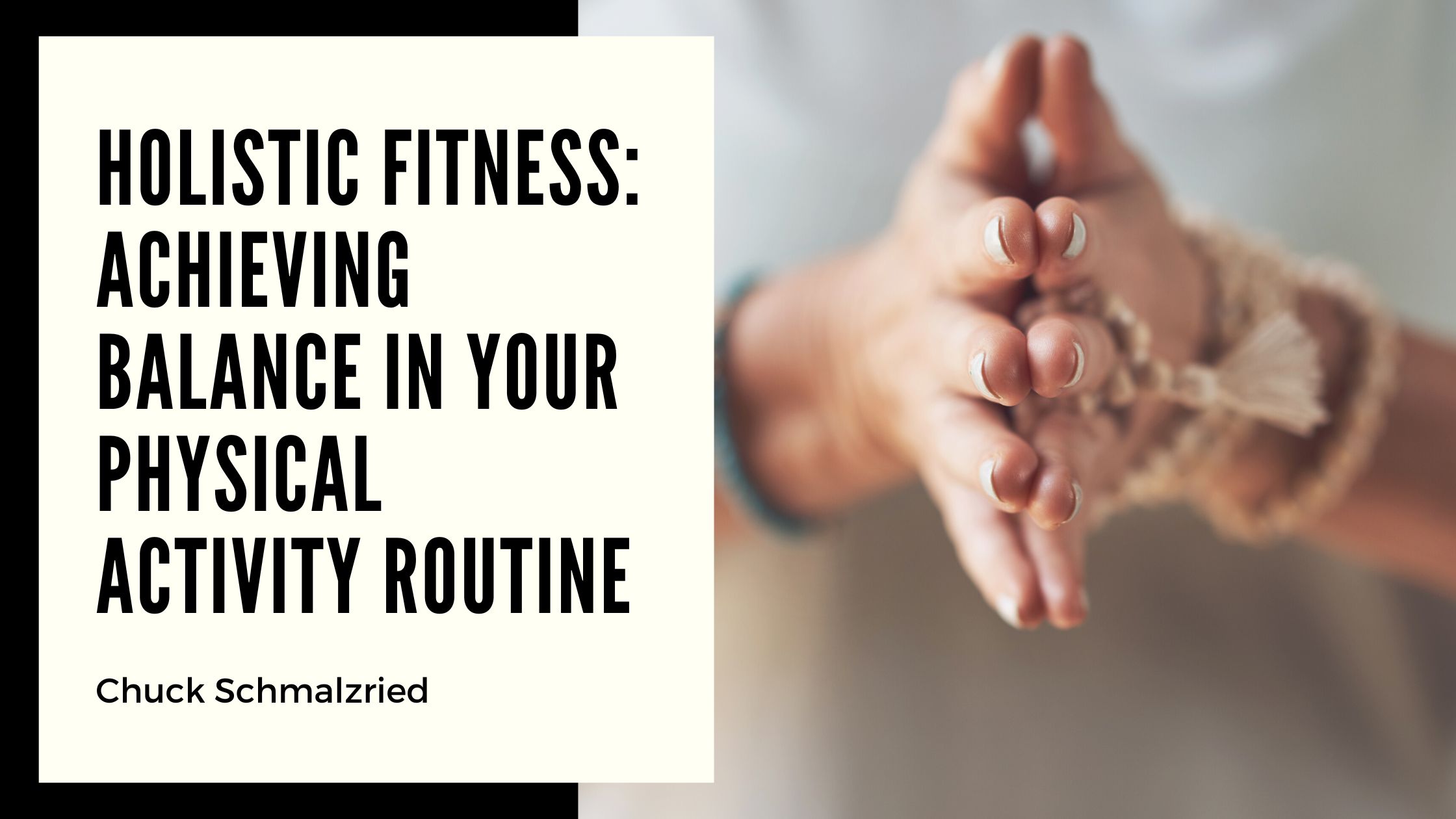
Holistic Fitness: Achieving Balance in Your Physical Activity Routine

In today’s fast-paced world, holistic fitness has gained traction as individuals seek to strike a harmonious balance in their physical activity routines. Holistic fitness is an approach that considers the physical aspects of health and the mental, emotional, and even spiritual dimensions. It recognizes the interconnectedness of mind, body, and spirit and aims to promote overall well-being. Achieving this balance in your physical activity routine is key to holistic fitness. Here’s how to do it:

Diverse Activities:

Holistic fitness encourages individuals to embrace a variety of physical activities. Rather than focusing on a single type of exercise, holistic wellness encourages a well-rounded approach to physical activity. 

Cardiovascular Exercise: Running, swimming, and cycling promote cardiovascular health, burn calories, and boost endurance.

Strength Training: Weightlifting, bodyweight exercises, and resistance training help build muscle, improve metabolism, and enhance bone density.

Flexibility and Balance Exercises: Yoga, Pilates, and exercises that enhance flexibility and balance can prevent injury and improve posture.

Adequate Rest and Recovery:

Holistic fitness recognizes the importance of rest and recovery. Quality sleep is also crucial for recovery. It supports physical and mental regeneration and helps the body adapt to exercise demands.

Stress Reduction:

Physical activity can be a potent tool for stress reduction, but it should be balanced with mindful techniques. Holistic fitness emphasizes the role of exercise in managing stress while incorporating relaxation practices such as deep breathing, meditation, and mindfulness. 

Functional Fitness:

Functional fitness is a core aspect of holistic fitness. It focuses on movements and exercises that mimic everyday activities, helping individuals maintain mobility and independence as they age. 

Mind-Body Connection:

Holistic fitness recognizes the profound connection between the mind and body. Physical fitness is not seen as separate from mental and emotional well-being but as an integral part. 

Individualized Approach:

Holistic fitness takes into account that every individual is unique. Age, fitness level, and physical limitations are considered when developing a fitness routine. 

Regular Assessments:

Holistic fitness often involves regular assessments to track progress and adapt the fitness routine. 

Goal Setting:

Setting specific, measurable, achievable, relevant, and time-bound (SMART) fitness goals is vital to holistic fitness. This process encourages motivation and a sense of achievement, positively impacting overall well-being.

Social Support:

Holistic fitness recognizes the importance of a support network. Engaging in physical activity with friends, family, or a community can provide motivation and encouragement, leading to a more balanced and enjoyable fitness routine.

By embracing holistic fitness, individuals can balance their physical activity routines while promoting overall well-being. This approach recognizes the interconnectedness of mind, body, and spirit and the importance of a well-rounded approach to health. Balancing diverse physical activities, incorporating rest and recovery, reducing stress, and focusing on functional fitness are all key elements of holistic wellness. 

The post Holistic Fitness: Achieving Balance in Your Physical Activity Routine first appeared on Chuck Schmalzried| Holistic Treatments.

from Chuck Schmalzried| Holistic Treatments http://chuckschmalzried.org/holistic-fitness-achieving-balance-in-your-physical-activity-routine/?utm_source=rss&utm_medium=rss&utm_campaign=holistic-fitness-achieving-balance-in-your-physical-activity-routine

Resilience and Healing for Veterans After Service

Transitioning from military service to civilian life can be challenging for many veterans. The shift from a structured, mission-focused environment to the often unpredictable world of civilian life requires immense resilience. While the skills and discipline gained in the military can aid in this transition, veterans usually face unique challenges that require a focused approach to healing and mental health support. Understanding and addressing these challenges is essential for fostering resilience and ensuring a smooth transition.

The Challenges of Transition

One of the most significant challenges veterans face after service is the loss of the camaraderie and sense of purpose that the military provides. In the military, everyone is part of a team working toward a common goal, with clear roles and responsibilities. The transition to civilian life can leave veterans feeling isolated, disconnected, and struggling to find a new sense of purpose.

In addition to the emotional and psychological challenges, many veterans also face practical issues such as finding employment, adjusting to a new social environment, and managing physical health concerns related to their service. These combined challenges can lead to feelings of frustration, anxiety, and depression, making the transition even more difficult.

Building Resilience

Resilience is the ability to bounce back from adversity, and it’s crucial for veterans as they navigate post-service life. Building resilience involves recognizing and leveraging the strengths developed during military service, such as discipline, adaptability, and problem-solving skills. Veterans can draw on these strengths to tackle the challenges they face and persevere through difficult times.

One key aspect of building resilience is finding a new sense of purpose. Many veterans find fulfillment in continuing to serve their communities in different ways, whether through volunteer work, mentoring, or starting a business. Identifying and pursuing new goals can help veterans regain a sense of direction and meaning in their lives.

Healing Through Connection

Connection is a powerful tool for healing. Veterans often find solace in reconnecting with fellow service members who understand their experiences. Peer support groups, veterans’ organizations, and community activities can help foster these connections, providing a sense of belonging and reducing feelings of isolation.

Family and friends also play a crucial role in the healing process. Open communication, understanding, and support from loved ones can help veterans feel more grounded and supported as they work through the challenges of transitioning to civilian life.

Resilience and healing are vital components of a successful veteran transition after service. By building on their strengths, seeking mental health support, and staying connected with others, veterans can navigate the challenges of post-service life and find new paths to fulfillment and well-being. It’s a journey that requires patience, persistence, and a strong support system, but with the right resources and mindset, veterans can thrive in their new roles as civilians.

Holistic Ways to Lower Your Blood Pressure

High blood pressure is a notorious condition that may trigger cardiovascular complications such as stroke. Sadly, the disease is almost quiet with minimal symptoms hence making it a high-risk illness. The best solution to keeping away high blood pressure is by being proactive with one’s health.

People can do this by adopting a lifestyle that works towards lowering their blood pressure and is free from the use of medications. Below are some holistic ways to lower blood pressure:

Embrace Routine Exercise

Regular workout sessions can be pretty effective in maintaining healthy blood pressure levels. When someone exercises, they strengthen their heart, increasing its ability to circulate blood.

The key to lowering blood pressure through exercise is to perform any fitness routine regularly. Simple activities such as morning walks or runs can be great for improving cardiovascular health.

Consume Fewer Amounts of Sugar and Refined Carbs

While eating too much salt is one of the common causes of high blood pressure, sugar increases blood pressure in more significant amounts. Moreover, sugary foods and refined carbohydrates can add to a person’s weight, increasing their risk of heart-related conditions. Substituting the intake of sugar and carbohydrates for proteins and healthy fats can lower one’s weight and blood pressure.

Increase Intake of Potassium

Potassium kills two birds with one stone in regards to lowering blood pressure. Upon consumption of potassium, the body maintains an average heart rate, consequently keeping the blood pressure low. In addition, potassium also eases the effects of salt and sodium levels that can increase blood pressure.

Potassium however healthy should so be consumed with care as high levels can cause kidney problems. Some food sources rich in potassium include:

  • Fruits like avocados and bananas
  • Low-fat dairy products
  • Potatoes and leafy vegetables
  • Beans
  • Nuts

Cut on Alcohol Intake

Drinking alcohol is one unhealthy indulgence to partake in, and one of the major reasons is its effect on blood pressure. Alcohol will increase blood pressure if one consumes more than the average amount of one to two drinks. Furthermore, alcohol contains sugar content that over time increase weight and raise blood pressure.

By watching one’s diet and getting involved in exercises, one stands a better chance of lowering their blood pressure and keeping a healthy heart. Try the above holistic methods and stay proactive and preventive in the fight against high blood pressure.

Smart Home Integration: Revolutionizing Modern Construction

The construction industry has witnessed significant advancements, but few have been as transformative as integrating smart home technology. This innovation is not just a trend; it’s a fundamental shift in how homes are designed, built, and lived in. Blending construction with cutting-edge technology is revolutionizing the industry, offering homeowners unprecedented control, convenience, and efficiency.

The Rise of Smart Homes

Smart home integration involves embedding interconnected devices and systems within a home’s infrastructure. This allows residents to manage various aspects of their living environment through a central control system, often accessible via smartphones or voice-activated assistants. These systems, from lighting and climate control to security and entertainment, are designed to create a seamless and intuitive living experience.

The demand for smart homes is rising, driven by a growing consumer desire for convenience, security, and energy efficiency. Builders and developers respond by incorporating these technologies into new constructions as standard features rather than optional upgrades. This shift is redefining the homebuilding landscape, where the quality of a home is increasingly measured not just by its physical construction but by its technological capabilities.

Enhancing Efficiency and Sustainability

One of the most significant impacts of smart home integration is its potential to enhance energy efficiency. Smart thermostats, lighting systems, and appliances can be programmed to operate only when needed, reducing energy consumption and lowering utility bills. For instance, a smart thermostat can learn a homeowner’s schedule and adjust the temperature accordingly, ensuring energy is not wasted on heating or cooling an empty house.

Moreover, smart home systems can monitor energy usage in real time, giving homeowners valuable insights into their consumption patterns. This data can be used to make informed decisions about energy use, contributing to a more sustainable lifestyle. For builders, this means creating homes that meet modern energy efficiency standards and exceed them, offering a competitive edge in the market.

Security and Peace of Mind

Home security is another area where smart home integration is making a significant impact. Modern construction often includes built-in security systems with advanced features such as remote monitoring, motion detection, and real-time alerts. Homeowners can monitor their property from anywhere worldwide, ensuring peace of mind and enhanced safety.

The Future of Home Building

Integrating smart home systems in construction will only become more sophisticated as technology evolves. The future of homebuilding lies in creating homes that are not only structurally sound and aesthetically pleasing but also intelligent and responsive to the needs of their occupants. Smart home integration is not just revolutionizing modern construction; it’s shaping the future of how we live.