Holistic Health and Holistic Dentistry

Holistic health, also known as holistic medicine or complementary and alternative medicine (CAM), is an approach that considers the whole person’s physical, mental, and emotional well-being. It recognizes the interconnectedness of various aspects of health and aims to address symptoms and the root causes of health issues. Holistic dentistry is a branch of holistic health that focuses on oral health and dental care in a way that aligns with holistic principles.

Holistic Health Overview:

Holistic health emphasizes a patient-centered, whole-person approach to health and healing. The key principles of holistic health include:

The Interconnectedness of Mind, Body, and Spirit: Holistic health recognizes that the mind, body, and spirit are interconnected and that imbalances in one area can affect the others. It acknowledges the importance of emotional and spiritual well-being and physical health.

Prevention and Maintenance: Holistic health promotes preventive care and maintenance to support well-being and reduce the risk of illness. This includes healthy lifestyle choices, nutrition, and regular physical activity.

Natural and Alternative Therapies: Holistic health often incorporates natural and alternative therapies, such as herbal medicine, acupuncture, chiropractic care, and mindfulness practices like meditation and yoga.

Individualized Care: Holistic health takes into account the individuality of each person. 

Empowerment and Education: Patients are encouraged to actively participate in their health care, make informed decisions, and become educated about their well-being.

Holistic Dentistry:

Holistic dentistry aligns with the principles of holistic health and applies them to dental care. Holistic dentists view oral health as an integral part of overall well-being and recognize the connections between dental health and the entire body’s health.

Key elements of holistic dentistry include:

Biocompatible Materials: Holistic dentists use dental materials compatible with the patient’s body. This includes avoiding using mercury amalgam fillings, which contain toxic mercury, and considering the potential impact of other dental materials on an individual’s health.

Minimally Invasive Approaches: Holistic dentists aim to preserve natural teeth and minimize invasive procedures whenever possible. 

Holistic Assessment: Holistic dentists consider the patient’s overall health, including factors like nutrition, stress, and lifestyle, as they relate to oral health. 

Focus on Prevention: Holistic dentists prioritize preventive measures, such as dietary advice, good oral hygiene practices, and lifestyle recommendations, to help patients maintain healthy teeth and gums.

Safe Removal of Mercury Amalgam Fillings: For patients who wish to have their mercury amalgam fillings removed, holistic dentists follow strict protocols to ensure the safe removal of these potentially toxic materials to prevent exposure to mercury vapors.

Natural and Alternative Therapies: Holistic dentists may use complementary therapies like homeopathy, acupuncture, or aromatherapy to support patients’ dental health and overall well-being.

Patient Education: Holistic dentists prioritize patient education, providing information about the connections between oral health and systemic health and encouraging active patient participation in their care.

By incorporating principles of holistic health and holistic dentistry, individuals can achieve a comprehensive approach to well-being that addresses not only their oral health but also their physical, mental, and emotional health. The emphasis on prevention, individualized care, and natural therapies aligns to promote health and wellness while minimizing the risk of adverse health effects. 

The post Holistic Health and Holistic Dentistry first appeared on Chuck Schmalzried| Holistic Treatments.

from Chuck Schmalzried| Holistic Treatments http://chuckschmalzried.org/holistic-health-and-holistic-dentistry/?utm_source=rss&utm_medium=rss&utm_campaign=holistic-health-and-holistic-dentistry

Veteran Entrepreneurship: Success Stories from Military Veterans

Transitioning from military service to civilian life can be daunting, but many military veterans have demonstrated remarkable resilience and entrepreneurial spirit by launching successful businesses. These veterans have leveraged the skills, discipline, and determination honed in the military to excel as entrepreneurs. Their stories are a testament to the potential for veterans to make a significant impact in the business world. 

Here, we highlight some inspiring success stories from veteran entrepreneurs.

Robert Dyer (Founder of JDog Junk Removal & Hauling):

A Marine Corps veteran, Robert Dyer founded JDog Junk Removal & Hauling, a nationwide franchise dedicated to eco-friendly and military-inspired junk removal services. 

Garry Ridge (CEO of WD-40 Company):

Garry Ridge, a U.S. Navy veteran, is the CEO of the WD-40 Company, a globally recognized brand known for its lubricants and multi-use maintenance products. Under Ridge’s leadership, the company has expanded its product line and international reach.

Sean and Dave Racaniello (Co-Founders of GORUCK):

Sean and Dave Racaniello, both Green Beret veterans, co-founded GORUCK, a company that produces durable rucksacks, apparel, and gear designed for adventure and fitness enthusiasts. The brand organizes events and challenges that promote physical fitness and camaraderie.

Taryn Davis (Founder of American Widow Project):

Taryn Davis, a young widow of a fallen Army soldier, founded the American Widow Project to provide support, resources, and community to other military widows. Her work has expanded to include a successful nonprofit organization and a small business, The Invisible to Invincible Collection.

Joe De Sena (Founder of Spartan):

Joe De Sena, a former Wall Street trader and Green Beret, founded Spartan, a global fitness and endurance brand known for its obstacle races and events. Spartan has become a significant force in obstacle course racing, promoting fitness and resilience.

Eli Crane (Co-Founder of Bottle Breacher):

Eli Crane, a former Navy SEAL, co-founded Bottle Breacher, a company that creates handcrafted bottle openers from real decommissioned ammunition. 

Larry Broughton (Founder of Broughton Hotels):

Larry Broughton, a former U.S. Army Green Beret, founded Broughton Hotels, a company specializing in hotel development, ownership, and management. His military background has contributed to his leadership and success in the hospitality industry.

Blake Hall (Founder of ID.me):

Blake Hall, an Army Ranger veteran, founded ID.me, a digital identity verification platform that helps consumers prove their identity online. His company has gained prominence in the digital security and identity verification space.

The success stories of these veterans inspire not only fellow service members but also the broader entrepreneurial community. They exemplify the capacity of veterans to overcome challenges, achieve their goals, and contribute to society in meaningful ways. Their journeys remind us that veterans can excel as entrepreneurs and make a lasting impact in the business world with the right mindset, hard work, and determination.

The post Veteran Entrepreneurship: Success Stories from Military Veterans first appeared on Chuck Schmalzried | Stories of Heroes.

from Chuck Schmalzried | Stories of Heroes http://chuckschmalzried.net/veteran-entrepreneurship-success-stories-from-military-veterans/?utm_source=rss&utm_medium=rss&utm_campaign=veteran-entrepreneurship-success-stories-from-military-veterans

Life Lessons from Veterans: Wisdom Gained Through Service

Military service offers more than just discipline and training; it imparts profound life lessons that shape the character of those who serve. The experiences and values instilled in veterans often lead to a unique perspective on life, resilience, and the importance of community. 

In this article, we’ll explore some of the life lessons gained through service in the armed forces.

Discipline and Time Management:

One of the foundational principles of military life is discipline. Veterans learn the value of punctuality, accountability, and managing time effectively. 

Leadership and Teamwork:

Military service emphasizes both leadership and teamwork. Veterans understand the importance of clear communication, trust, and working collectively toward a common goal. 

Adaptability:

Service members often face unpredictable and challenging situations that require adaptability. Veterans learn to thrive in ever-changing environments, which fosters an open-minded approach to life’s uncertainties. 

Resilience in the Face of Adversity:

Veterans frequently encounter adversity and hardship during their service. These experiences teach them resilience, mental fortitude, and the ability to remain composed under pressure. 

Sacrifice and Selflessness:

Military service requires individuals to put the needs of their team and their country before their desires. This selflessness teaches veterans the significance of making sacrifices for the greater good, instilling a sense of responsibility and empathy for others.

Respect and Appreciation:

The military places a high value on respect and professionalism. Veterans often have a deep respect for authority, traditions, and diversity. They bring this respect into their interactions with others, fostering an environment of mutual understanding and appreciation.

Preparedness and Responsibility:

Service members are trained to be prepared for any situation, and this sense of readiness stays with them beyond their military service. Veterans tend to be proactive, responsible individuals who anticipate potential challenges and take action to address them.

Servant Leadership:

Many veterans embrace the concept of servant leadership, recognizing the significance of leading by serving others. They often take on leadership roles in their communities and workplaces, guiding others selflessly.

Preparedness for Crisis:

Veterans have a unique understanding of crisis management, which is highly valuable in emergencies or disasters. They often serve as pillars of strength and sources of guidance in challenging situations.

Perspective on Freedom and Democracy:

Service members often gain a profound appreciation for freedom and democracy. Veterans understand the sacrifices made to protect these principles and carry this perspective into their civilian lives.

A Strong Sense of Duty:

Perhaps the most enduring life lesson from military service is a sense of duty. Veterans continue to feel a strong obligation to make a positive impact on their communities and the world at large.

The life lessons gained through military service are invaluable and shape veterans into individuals with a unique perspective on life. Their experiences instill discipline, resilience, selflessness, and a profound sense of duty. Veterans carry these lessons with them, often becoming exemplary members of their communities and inspiring others to embrace these principles.

The post Life Lessons from Veterans: Wisdom Gained Through Service first appeared on Chuck Schmalzried | Stories of Heroes.

from Chuck Schmalzried | Stories of Heroes http://chuckschmalzried.net/life-lessons-from-veterans-wisdom-gained-through-service/?utm_source=rss&utm_medium=rss&utm_campaign=life-lessons-from-veterans-wisdom-gained-through-service

Choosing the Right Location for Your New Home

Selecting the perfect location for your new home is one of the most critical decisions you’ll make in home-buying. The location affects your daily life and lifestyle and plays a significant role in the property’s long-term value. Whether you’re a first-time homebuyer or experienced in the real estate market, here are key factors to consider when choosing the right location for your new home.

Proximity to Work:

The distance and ease of commute to your workplace is a primary consideration. A shorter commute can save you time money, and reduce stress. Consider the proximity to your office, public transportation, and major commuting routes.

School Districts:

If you have children or plan to in the future, the quality of local schools is essential. Research school districts in your desired locations, looking into academic performance, extracurricular activities, and educational resources.

Proximity to Family and Friends:

Being close to friends and family is a significant consideration for many homeowners. Consider how far your new location will be from loved ones and the ease of travel to see them.

Lifestyle and Interests:

Your hobbies and interests play a crucial role in choosing the right location. If you enjoy outdoor activities, look for areas with parks and recreational opportunities. If you love the arts and dining, consider a neighborhood with a thriving cultural scene.

Future Development:

Research future development plans for the area. New developments can bring economic growth and increased property values but also impact traffic and noise levels.

Public Transportation:

Access to public transportation is not only beneficial for daily commuting but also for reducing your carbon footprint. If eco-friendliness and convenience are important, consider a location with good public transportation options.

Property Taxes:

Different areas have varying property tax rates, significantly impacting your monthly expenses. Investigate the property tax rates in your desired locations to understand their financial implications.

Resale Value:

Even if you’re not planning to sell your home immediately, it’s wise to consider its resale potential. Research historical property value trends in the area and look for locations with a history of appreciation.

Natural Hazards:

Evaluate the risk of natural hazards like floods, earthquakes, hurricanes, or wildfires in your desired location. You may need insurance specific to those hazards, which can impact your overall homeownership costs.

Community and Neighbors:

Visit the neighborhood at different times of the day to get a feel for the community and meet potential neighbors. A friendly and welcoming community can make your living experience more enjoyable.

Home Affordability:

While the location is critical, finding a balance between your ideal location and your budget is essential. Determine what you can comfortably afford and explore homes in different neighborhoods accordingly.

Choosing the right location for your new home is a decision that can shape your life and your investment for years to come. It’s essential to do thorough research, visit potential neighborhoods, and consult with local real estate professionals to make an informed decision. 

The post Choosing the Right Location for Your New Home first appeared on Chuck Schmalzried|Michelle Construction.

from Chuck Schmalzried|Michelle Construction http://chuckschmalzried.com/choosing-the-right-location-for-your-new-home/?utm_source=rss&utm_medium=rss&utm_campaign=choosing-the-right-location-for-your-new-home

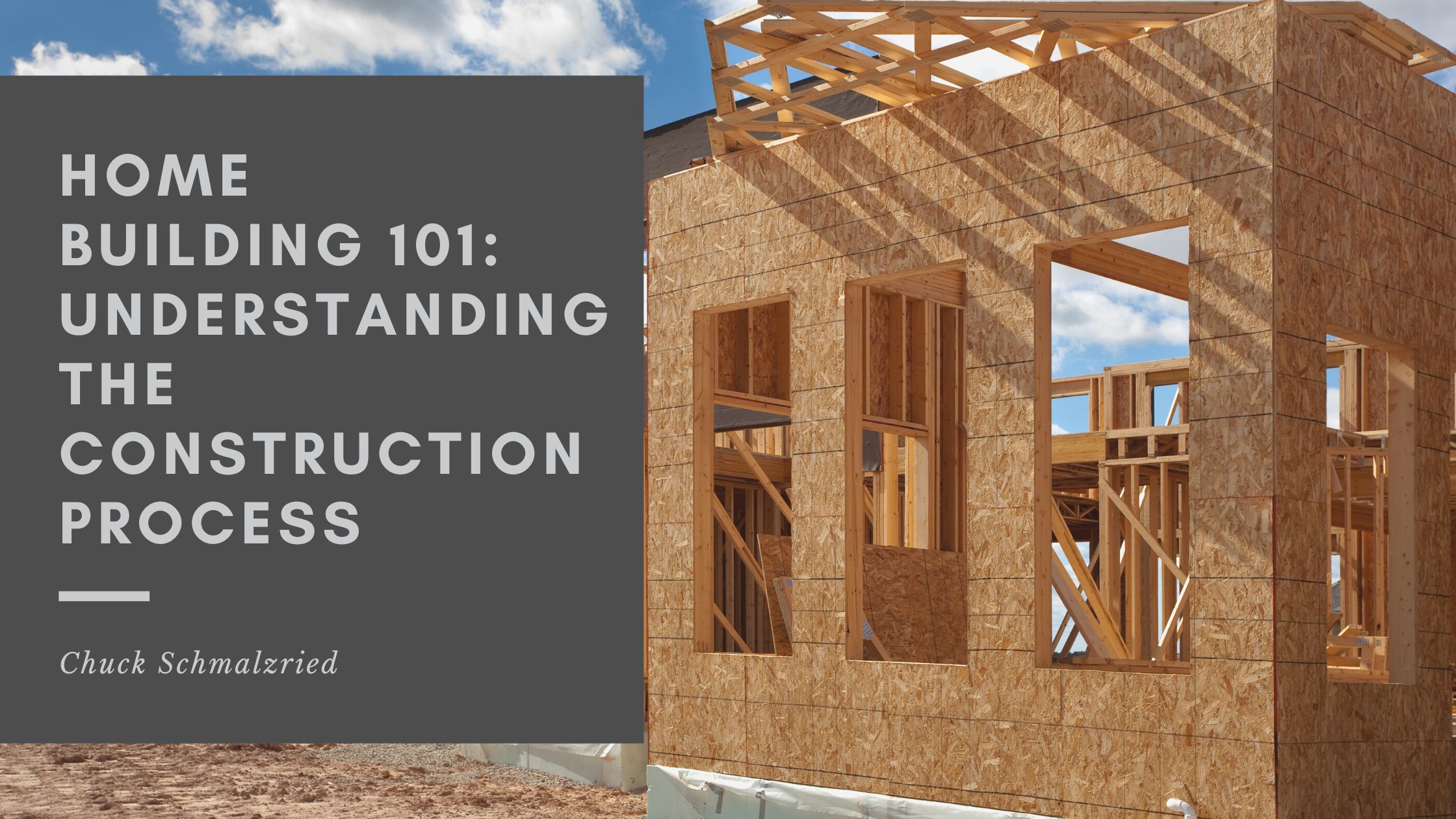
Home Building 101: Understanding the Construction Process

Building your dream home is an exciting and rewarding journey but can also be complex and multifaceted. To ensure that your vision becomes a reality, it’s essential to have a firm understanding of the construction process from start to finish. In this guide, we’ll take you through the key stages of home construction, from the initial planning phase to the final finishing touches.

Pre-Construction Planning:

Before the actual construction begins, thorough planning is essential. This phase involves:

Design and Architectural Plans: Collaborate with an architect or designer to create detailed plans that reflect your vision and meet local building codes and regulations.

Permits and Approvals: Obtain the necessary licenses and approvals from local authorities, including building permits, zoning variances, and environmental clearances.

Site Preparation: Clear and prepare the construction site, which may involve excavation, grading, and addressing environmental concerns.

Foundation Construction:

The foundation is the literal and figurative base of your home. There are several types of foundations, including:

Slab Foundation: A concrete slab poured directly on the ground, suitable for areas with mild climates.

Poured Concrete Walls: Durable walls that provide structural support.

Framing:

Wall Framing: Building the exterior and interior walls.

Roof Framing: Creating the framework for the roof, which may include trusses or rafters.

Floor Framing: Constructing the floors of each level of the home.

Roofing and Exterior:

Roofing Installation: Installing roof shingles, tiles, or other materials.

Siding and Exterior Finishes: Applying siding, stucco, or other exterior finishes.

Windows and Doors: Installing windows, exterior doors, and any necessary weatherproofing.

Plumbing, Electrical, and HVAC:

Plumbing: Installing pipes, fixtures, and drainage systems.

Electrical: Wiring the home for power and installing outlets, switches, and lighting fixtures.

HVAC (Heating, Ventilation, and Air Conditioning): Installing the heating and cooling systems, including ductwork, furnaces, air conditioning units, and ventilation.

Insulation and Drywall:

Insulation Installation: Adding insulation to walls, floors, and ceilings.

Drywall: Hanging and finishing the drywall to create smooth, paintable surfaces.

Interior Finishes:

Flooring: Installing the flooring material you choose, such as hardwood, tile, carpet, or laminate.

Cabinetry: Adding kitchen and bathroom cabinets.

Countertops: Installing countertops in the kitchen and bathrooms.

Interior Painting: Applying paint or other wall coverings.

Fixtures and Hardware: Installing plumbing, lighting, and door hardware.

Final Inspections:

Before moving in, your home must pass various inspections to meet safety and building code standards. These inspections cover electrical, plumbing, HVAC, structural, and fire safety components.

Final Walkthrough and Move-In:

Before moving in, conduct a final walkthrough with your builder to ensure everything meets your expectations. Make a checklist to verify that all home components, from fixtures to appliances, are functioning correctly. Once everything is satisfactory, it’s time to move in and enjoy your new home.

Understanding the home construction process from start to finish is crucial for a successful project. Effective communication with your builder, regular site visits, and a well-organized project plan will help ensure your dream home becomes a reality.

The post Home Building 101: Understanding the Construction Process first appeared on Chuck Schmalzried|Michelle Construction.

from Chuck Schmalzried|Michelle Construction http://chuckschmalzried.com/home-building-101-understanding-the-construction-process/?utm_source=rss&utm_medium=rss&utm_campaign=home-building-101-understanding-the-construction-process

Exploring the Pillars of Holistic Health: Nutrition, Exercise, and Stress Management

Holistic health is a comprehensive approach to well-being that recognizes the interconnectedness of the mind, body, and spirit. It emphasizes the importance of achieving balance in various aspects of life to promote overall health and vitality. Three fundamental pillars of holistic health are nutrition, exercise, and stress management. These pillars form the foundation of a holistic lifestyle that supports physical, mental, and emotional well-being.

Nutrition:

Nutrition is the cornerstone of holistic health. It encompasses not only what we eat but also how we eat, and it profoundly impacts our physical and mental health. A holistic approach to nutrition involves:

Mindful Eating: Holistic nutrition encourages mindfulness during meal times. Mindful eating fosters a healthier relationship with food and a greater appreciation for the eating experience.

Customized Approach: Holistic nutrition recognizes that individual nutritional needs may vary. Age, gender, activity level, and health conditions should be considered when determining dietary requirements.

Nutrient-Rich Foods: Focusing on nutrient-dense foods provides the body with essential vitamins and minerals while reducing the consumption of empty-calorie foods that lack nutritional value.

Exercise:

Regular physical activity is another crucial pillar of holistic health. Exercise not only promotes physical fitness but also has a significant impact on mental and emotional well-being. A holistic approach to exercise includes:

Diverse Activities: Holistic exercise routines often encompass a variety of activities to maintain overall fitness. These may include cardiovascular exercises (e.g., running, swimming), strength training (e.g., weightlifting, bodyweight exercises), flexibility and balance exercises (e.g., yoga, Pilates), and mind-body practices (e.g., tai chi, qigong).

Stress Reduction: Exercise can be an effective tool for managing stress. Holistic fitness programs incorporate stress-reduction techniques like deep breathing and mindfulness to enhance exercise’s mental and emotional benefits.

Mind-Body Connection: Holistic exercise practices recognize the mind-body connection. Physical fitness is seen as an essential component of mental and emotional well-being. Activities that promote mindfulness and stress reduction, like yoga and meditation, are integrated into holistic fitness routines.

Stress Management:

Stress management is the third critical pillar of holistic health. Stress, if left unaddressed, can have a detrimental impact on physical and mental health. A holistic approach to stress management includes:

Mindfulness and Meditation: These practices help individuals become more aware of their thoughts, emotions, and stress triggers. Mindfulness and meditation provide tools for managing stress in the moment and cultivating resilience over time.

Physical Activity: Exercise is an excellent stress reducer. Physical activity releases endorphins, natural mood lifters that help individuals manage stress healthily.

Time Management: Holistic stress management strategies often include effective time management and organization. This reduces the pressure of overwhelming schedules and deadlines.

Relaxation Techniques: Practices like deep breathing, progressive muscle relaxation, and visualization can help individuals relax and manage stress. These techniques are often integrated into holistic well-being routines.

These pillars of holistic health – nutrition, exercise, and stress management – are interdependent, and success in one area often supports the others. By adopting a holistic approach to well-being that incorporates these pillars, individuals can achieve a balanced and fulfilling life that promotes overall health and vitality.

The post Exploring the Pillars of Holistic Health: Nutrition, Exercise, and Stress Management first appeared on Chuck Schmalzried| Holistic Treatments.

from Chuck Schmalzried| Holistic Treatments http://chuckschmalzried.org/exploring-the-pillars-of-holistic-health-nutrition-exercise-and-stress-management/?utm_source=rss&utm_medium=rss&utm_campaign=exploring-the-pillars-of-holistic-health-nutrition-exercise-and-stress-management

The Art of Holistic Self-Care

In our fast-paced and often stressful lives, self-care has gained significant attention. It’s not just about pampering yourself with a spa day or indulging in occasional treats; self-care encompasses a holistic approach to nurturing your well-being, addressing your life’s physical, mental, and emotional aspects. 

Holistic self-care involves recognizing that caring for yourself is not selfish but essential for overall health and happiness.

Physical Self-Care:

Physical self-care involves nurturing your body and maintaining its health. It’s about listening to your body’s needs and providing the care and attention it deserves. Key components of physical self-care include:

Nutrition: A balanced diet that includes a variety of nutrients is crucial for physical health. It’s about nourishing your body with the right foods to provide energy, support your organs, and maintain overall well-being.

Sleep: Establishing a regular sleep routine, managing sleep disorders, and creating a comfortable sleep environment are essential for physical well-being.

Hydration: Staying adequately hydrated supports digestion, circulation, and temperature regulation. It’s essential to drink enough water to maintain physical health.

Preventive Health Care: Regular check-ups, health screenings, and vaccinations help detect and prevent health issues early before they become more challenging to manage.

Mental Self-Care:

Mental self-care is about nurturing your mind, reducing stress, and maintaining a positive mental state. Key components of mental self-care include:

Emotional Intelligence: Developing emotional intelligence enables individuals to recognize and understand their emotions and the emotions of others. This skill fosters better relationships, empathy, and effective communication.

Positive Thinking: A positive mindset contributes to improved mental health. It allows individuals to focus on opportunities and solutions rather than dwelling on problems. Positive thinking is associated with reduced stress and improved overall well-being.

Emotional Self-Care:

Emotional self-care is about acknowledging and addressing your emotional needs. It involves understanding, expressing, and healthily managing your emotions. Critical components of emotional self-care include:

Self-Compassion: Being kind and compassionate toward yourself is fundamental. 

Healthy Relationships: Building and maintaining healthy, supportive relationships is vital to emotional well-being. 

Journaling: Journaling allows you to process your emotions, gain clarity, and track your emotional journey. It can help you understand your feelings and find ways to address them.

Relaxation and Rest: Ensuring you have moments of relaxation is essential for emotional well-being. Activities like meditation, deep breathing exercises, and simply taking a break can help you manage stress and maintain emotional balance.

Social Connections: Building and nurturing social connections can be profoundly healing. Emotional support from friends, family, or support groups can help individuals navigate emotional challenges.

Holistic self-care recognizes nurturing your overall well-being is essential for a balanced and fulfilling life. The art of holistic self-care involves integrating physical, mental, and emotional self-care practices into your daily routine, recognizing the interdependence of these aspects of well-being. 

The post The Art of Holistic Self-Care first appeared on Chuck Schmalzried| Holistic Treatments.

from Chuck Schmalzried| Holistic Treatments http://chuckschmalzried.org/the-art-of-holistic-self-care/?utm_source=rss&utm_medium=rss&utm_campaign=the-art-of-holistic-self-care

Remembering Our Veterans: Stories of Heroism and Sacrifice

Veterans Day is a time to honor and remember the countless men and women who have served their countries in the armed forces. It is an opportunity to pay tribute to their courage, dedication, and sacrifices. Each veteran has a unique story, and their experiences often exemplify the heroism and selflessness that characterize their service. This article highlights a few of these stories to commemorate the brave veterans who have made a difference.

Audie Murphy:

Audie Murphy, one of World War II’s most decorated American combat soldiers, received 33 awards and decorations, including the Medal of Honor. Murphy’s heroism is best exemplified during a battle in France when he held off a German company of soldiers, called in artillery fire on his position, and then led a successful counterattack. 

Desmond Doss:

Desmond Doss, a Seventh-day Adventist and conscientious objector, served as a combat medic in World War II without carrying a weapon. Despite facing intense combat and refusing to bear arms, Doss saved 75 men during the Battle of Okinawa, earning him the Medal of Honor. 

Alvin York:

Sergeant Alvin York was a highly decorated U.S. soldier during World War I. In the face of heavy enemy fire, he captured 132 German soldiers and silenced 35 machine guns, a feat for which he was awarded the Medal of Honor. York’s story is an example of remarkable courage and resourcefulness.

Harriet Ida Pickens and Frances Wills:

During World War II, Harriet Ida Pickens and Frances Wills made history as the first African American WAVES (Women Accepted for Volunteer Emergency Service) officers. They broke racial and gender barriers by enlisting in the U.S. Navy, paving the way for future generations of women of color to serve in the armed forces.

General Norman Schwarzkopf:

General H. Norman Schwarzkopf, known as “Stormin’ Norman,” commanded coalition forces during Operation Desert Storm in the early 1990s. His leadership and strategic insight played a pivotal role in Kuwait’s swift and successful liberation from Iraqi forces.

Mary Edwards Walker:

Dr. Mary Edwards Walker, a contract surgeon for the Union Army during the Civil War, became the first and only woman to receive the Medal of Honor. She served in numerous battles, including Bull Run, Fredericksburg, and Chickamauga, where she was captured and held as a prisoner of war.

Robert Maxwell:

Technical Sergeant Robert D. Maxwell, a World War II veteran, demonstrated incredible heroism during the D-Day invasion of Normandy. He led his unit through fierce enemy fire to achieve their mission and saved many lives. Maxwell was awarded the Medal of Honor for his extraordinary bravery.

John Basilone:

Sergeant John Basilone was a Marine Corps veteran who received the Medal of Honor for his heroic actions during the Battle of Guadalcanal. His leadership and bravery in intense combat were instrumental in repelling enemy forces.

It’s essential to remember and honor the brave men and women who have served in the military, protecting the values and freedoms that we hold dear. These stories remind us of the remarkable individuals who have answered the call to serve their nations. They inspire us to express gratitude and appreciation for their selflessness and sacrifices.

The post Remembering Our Veterans: Stories of Heroism and Sacrifice first appeared on Chuck Schmalzried | Stories of Heroes.

from Chuck Schmalzried | Stories of Heroes http://chuckschmalzried.net/remembering-our-veterans-stories-of-heroism-and-sacrifice/?utm_source=rss&utm_medium=rss&utm_campaign=remembering-our-veterans-stories-of-heroism-and-sacrifice

From the Frontlines to Home: Transitioning to Civilian Life

The transition from military service to civilian life is a significant milestone in the lives of service members. It marks the end of a structured and often demanding career, presenting opportunities and challenges. While unique to each individual, this transition is a critical phase that demands careful planning and support. 

In this article, we will explore the complexities of moving from the frontlines to civilian life and offer insights into how veterans can navigate this transition successfully.

Self-Reflection:

Before leaving the military, it’s crucial to engage in self-reflection. Consider your skills, values, and goals for the future. What are your strengths, and where do you feel most passionate? Understanding your interests and aspirations can help you make informed decisions about your civilian career path.

Education and Training:

In many cases, transitioning veterans may need to acquire new skills or credentials to meet the demands of civilian jobs. Various programs, such as the GI Bill, offer educational assistance, making it more accessible for veterans to pursue higher education or vocational training. 

Resume Building:

Transitioning veterans should craft a civilian-focused resume highlighting their transferable skills and experiences. Emphasize leadership, teamwork, problem-solving, and adaptability. 

Career Exploration:

Veterans may find it helpful to explore various career options before committing. Job shadowing, internships, and volunteer work can provide valuable insights into different industries and help clarify your interests and career goals.

Financial Planning:

Understanding your financial situation is vital. Use financial counseling services to help manage your budget, savings, and investments. Assess your needs and set realistic financial goals for the transition period.

Leverage Military Skills:

Military experience equips individuals with various skills, such as leadership, discipline, and teamwork. Identify how these skills can translate into the civilian workplace. Employers often value these qualities and the strong work ethic of veterans.

Healthcare and Benefits:

Veterans are entitled to various benefits, such as healthcare, through the Veterans Affairs (VA) system. Familiarize yourself with the available resources and healthcare options to ensure your continued well-being after leaving the service.

Support Systems:

Contact family, friends, and veteran support organizations for assistance during the transition. Support systems can provide emotional and practical help as you navigate the challenges of civilian life.

Focus on Goals:

Set clear and achievable goals for your post-military life. These goals can encompass career aspirations, educational pursuits, personal development, and more. Having a sense of purpose and direction can drive you forward.

Transitioning from the frontlines to civilian life is a significant step, but it’s a journey filled with possibilities for growth and success. By planning, seeking support, and adapting to new experiences, veterans can make a smooth and fulfilling transition. This journey is an opportunity to build on the skills and values developed in the military, forging a new path in the civilian world while contributing meaningfully to society.

The post From the Frontlines to Home: Transitioning to Civilian Life first appeared on Chuck Schmalzried | Stories of Heroes.

from Chuck Schmalzried | Stories of Heroes http://chuckschmalzried.net/from-the-frontlines-to-home-transitioning-to-civilian-life/?utm_source=rss&utm_medium=rss&utm_campaign=from-the-frontlines-to-home-transitioning-to-civilian-life

Budgeting Tips for Your Home Construction Project

Building a new home is a significant undertaking, and one of the most crucial aspects of the project is managing your budget effectively. Home construction projects are notorious for their potential to go over budget, causing stress and financial strain. However, with careful planning and discipline, you can keep your project on track and ensure your dream home doesn’t become a financial nightmare. 

Here are some budgeting tips to help you successfully navigate your home construction project.

Set a Realistic Budget: The first step in managing your construction project’s budget is establishing a realistic one. Take the time to research and gather accurate estimates for every aspect of your project, from construction materials and labor to permits and landscaping. 

Account for Contingencies: Construction projects can be unpredictable. Unforeseen issues, like weather delays or hidden problems with the site, can disrupt your budget. 

Get Multiple Bids: Don’t settle for the first estimate you receive when hiring contractors and subcontractors. Seek multiple bids for each trade and compare prices, timelines, and references. 

Prioritize Needs Over Wants: While it’s natural to have a wish list for your dream home, it’s crucial to prioritize your needs over your wants. Allocate your budget to essential elements, such as a sturdy foundation, quality insulation, and efficient HVAC systems. 

Work Closely with Your Builder: Communication with your builder is key to staying on budget. They can provide valuable insights into cost-saving measures and guide you in making decisions that align with your budget. 

Energy Efficiency Investments: Consider long-term cost savings using energy-efficient systems and materials. While these might have higher upfront costs, they can significantly reduce your monthly utility bills, saving you money over the years.

Track Expenses: Keep meticulous records of all expenses related to your project. This includes receipts, invoices, and any changes in the budget. Use budgeting software or spreadsheets to track expenses, making identifying discrepancies and addressing them promptly easier.

Avoid Scope Creep: Scope creep occurs when you start adding features or making changes to the project that were not in the original plan. While some adjustments are inevitable, excessive scope creep can quickly inflate your budget. 

Regular Inspections: Engage in regular inspections throughout the construction process. This allows you to identify issues or mistakes early, preventing costly fixes. 

Consider a Construction Loan: Explore construction loans if you cannot fund the entire project with cash. These loans provide funds in stages to cover construction costs. 

Review Contracts Carefully: When working with contractors, ensure you understand your contracts’ terms and conditions. Be wary of hidden fees or unclear terms that could impact your budget. Seek legal advice if necessary.

Effective budget management is vital for a successful home construction project. By setting a realistic budget, accounting for contingencies, seeking multiple bids, prioritizing needs, working closely with your builder, and following the other tips mentioned, you can avoid budget overruns and ensure your dream home is built within your financial means. 

The post Budgeting Tips for Your Home Construction Project first appeared on Chuck Schmalzried|Michelle Construction.

from Chuck Schmalzried|Michelle Construction http://chuckschmalzried.com/budgeting-tips-for-your-home-construction-project/?utm_source=rss&utm_medium=rss&utm_campaign=budgeting-tips-for-your-home-construction-project