Holistic Health for Aging Gracefully

Aging is a natural and inevitable part of life. While it comes with challenges and changes, it’s possible to age gracefully while maintaining physical, mental, and emotional well-being. Holistic health approaches recognize the interconnectedness of the mind, body, and spirit and emphasize overall well-being. 

Here, we explore how holistic health practices can contribute to aging gracefully.

Regular Physical Activity:

Physical activity remains a cornerstone of aging gracefully. Exercise helps maintain physical strength and mobility and supports mental health and cognitive function. Holistic exercise routines often encompass a variety of activities, from cardiovascular exercises and strength training to mind-body practices like yoga and tai chi. 

Mindful and Emotional Well-Being:

Aging gracefully includes tending to mental and emotional health. Mindfulness and emotional well-being practices, such as meditation and journaling, can help manage stress and promote emotional balance. Holistic approaches emphasize self-compassion and self-care, recognizing the importance of maintaining a positive outlook and strong emotional health.

Sleep and Rest:

Quality sleep is essential for aging gracefully. Holistic health advocates recognize the significance of restorative sleep in promoting physical and mental well-being. 

Preventive Health Care:

Aging gracefully involves proactive health management. Regular check-ups, health screenings, and vaccinations are critical for early detection and prevention of potential health issues. Holistic health practitioners encourage preventive care as a means of preserving overall well-being.

Complementary and Alternative Therapies:

Many holistic health practices encompass complementary and alternative therapies that address aging-related concerns. These therapies may include acupuncture, massage, aromatherapy, and herbal remedies. These approaches can relieve common age-related ailments such as arthritis, chronic pain, and sleep disturbances.

Social and Community Engagement:

Maintaining social connections and community engagement are integral to aging gracefully. Holistic approaches acknowledge the importance of a support network and a sense of belonging. Participating in social activities, volunteering, and building meaningful relationships can contribute to a fulfilling and balanced life.

Intellectual Stimulation:

Cognitive health is gracefully essential in aging and can be enhanced through intellectual stimulation. Engaging in activities challenging the mind, such as reading, puzzles, and learning new skills, can promote cognitive agility and keep the brain sharp.

Spiritual and Existential Exploration:

Exploring one’s sense of purpose and spirituality is an essential aspect of holistic health for aging gracefully. This may involve practicing faith, meditation, or reflecting on life’s meaning and value. Spiritual and existential exploration can provide a deeper sense of fulfillment and inner peace.

Adaptation and Resilience:

Aging gracefully is not about defying the aging process but embracing and adapting to the changes it brings. Holistic health encourages resilience in the face of life’s challenges and an understanding that aging is a natural and beautiful part of the human experience.

Aging gracefully is not about reversing the aging process but nurturing well-being in all aspects of life. Holistic health practices acknowledge the interconnectedness of the mind, body, and spirit and provide a comprehensive framework for achieving well-rounded well-being. 

The post Holistic Health for Aging Gracefully first appeared on Chuck Schmalzried| Holistic Treatments.

from Chuck Schmalzried| Holistic Treatments http://chuckschmalzried.org/holistic-health-for-aging-gracefully/?utm_source=rss&utm_medium=rss&utm_campaign=holistic-health-for-aging-gracefully
From Combat to Community: Veterans Making a Difference

The transition from military life to civilian life can be a challenging journey for many veterans. However, an increasing number of veterans are not just adapting to civilian life but are actively making a difference in their communities. From launching nonprofit organizations to advocating for veterans’ rights, these remarkable individuals use their skills, experiences, and values acquired during service to create positive change. Here, we celebrate the stories of veterans who have found new missions as community leaders.

Team Rubicon:

Team Rubicon, a disaster response organization founded by Jake Wood, a Marine Corps veteran, and William McNulty, a Marine Corps veteran, has significantly impacted disaster-stricken areas worldwide. Their organization mobilizes veterans and first responders to provide disaster relief and humanitarian aid during emergencies, leveraging the skills and leadership qualities honed in the military.

Wounded Warrior Project:

John Melia, a former Army captain, established the Wounded Warrior Project after his own experiences as a wounded veteran. The organization provides support, services, and programs for injured veterans and their families, helping them reintegrate into civilian life.

The Mission Continues:

Eric Greitens, a Navy SEAL veteran, established The Mission Continues to empower veterans to continue serving in their communities. The organization provides fellowships, service projects, and leadership training to veterans, enabling them to make a positive impact in their neighborhoods.

Got Your 6:

Got Your 6, a campaign led by Chris Marvin, a former Army officer, focuses on bridging the civilian-military divide by encouraging Americans to support and engage with veterans. The campaign challenges negative stereotypes and promotes positive representations of veterans in the media.

Operation Homefront:

Brig. Gen. (ret.) John I. Pray Jr. is the President and CEO of Operation Homefront, which assists military families in need. Operation Homefront supports military families in various ways, including housing, financial assistance, and essential services.

Pat Tillman Foundation:

The Pat Tillman Foundation, named after the former NFL player and Army Ranger Pat Tillman, empowers veterans and their spouses through education. The foundation offers academic scholarships to support their pursuit of higher education and career development.

Veteran-Owned Businesses:

Countless veterans have turned their military experiences into successful businesses. These enterprises create jobs, stimulate local economies, and offer opportunities for fellow veterans. Examples include Sword & Plough, founded by Emily Núñez Cavness, which repurposes military surplus materials into fashionable bags and accessories, and Nine Line Apparel, started by CPT (ret.) Tyler Merritt offers patriotic and military-themed apparel.

The transition from military service to community leadership is a testament to the dedication and resilience of veterans. Their ability to apply their military training, leadership skills, and unwavering commitment to their new missions in the civilian world showcases the remarkable impact veterans can have on society. These individuals exemplify the spirit of service and continue to inspire others, both within and outside the military community, to make a difference and create a better future for all. 

The post From Combat to Community: Veterans Making a Difference first appeared on Chuck Schmalzried | Stories of Heroes.

from Chuck Schmalzried | Stories of Heroes http://chuckschmalzried.net/from-combat-to-community-veterans-making-a-difference/?utm_source=rss&utm_medium=rss&utm_campaign=from-combat-to-community-veterans-making-a-difference

The Ultimate Guide to Planning Your Dream Home Build

Building your dream home is an exciting and rewarding endeavor, but it can also be a complex and daunting process. The Ultimate Guide to Planning Your Dream Home Build is designed to help you navigate the intricacies of the home-building process, from conceptualizing your dream home to moving in. Whether you’re a first-time homeowner or a seasoned builder, this comprehensive guide will provide the knowledge and tools to make your dream home a reality.

Defining Your Vision

Before you embark on your dream home journey, it’s crucial to clearly define your vision. This chapter will guide you through creating a vision board, setting priorities, and establishing a realistic budget. 

Location and Lot Selection

Selecting the perfect location and lot for your dream home is critical. In this chapter, we’ll explore factors to consider, such as proximity to work, schools, and amenities, as well as the environmental and zoning regulations that may impact your project. 

Designing Your Dream Home

Design is where your vision begins to take shape. We’ll delve into architectural styles, floor plans, and space utilization here. You’ll also learn about hiring an architect or designer and incorporating sustainable and energy-efficient design elements into your plans.

Budgeting and Financing

Building a dream home can be a substantial financial investment. This chapter will guide you through creating a comprehensive budget that includes construction costs, permits, and contingencies. We’ll also discuss financing options, such as construction loans and mortgages, and how to navigate the lending process.

Permits and Regulations

Navigating the maze of permits and regulations is a critical step in your home build. This chapter will help you understand the permitting process, building codes, and inspections. 

Selecting a Builder and Construction Team

Choosing the right builder and construction team is vital to the success of your project. This chapter teaches you how to research and interview potential builders, architects, and contractors. We’ll also explore the benefits of working with experienced professionals and the importance of clear communication.

Construction Phase

Once construction begins, you must stay actively involved in the process. It’s essential to maintain open lines of communication with your team.

Interior Design and Finishes

The interior design and finishes are where your dream home truly comes to life. In this chapter, you’ll discover how to select materials, colors, and furnishings that align with your vision. We’ll also discuss ways to create a harmonious and functional living space.

Final Inspections and Closing

As your dream home nears completion, final inspections and quality checks are essential to ensure that everything meets your standards and complies with regulations. This chapter will guide you through this phase and obtaining a certificate of occupancy.

Building your dream home is a journey filled with excitement and challenges. The Ultimate Guide to Planning Your Dream Home Build is your comprehensive roadmap to make this process smoother and more enjoyable. 

The post The Ultimate Guide to Planning Your Dream Home Build first appeared on Chuck Schmalzried|Michelle Construction.

from Chuck Schmalzried|Michelle Construction http://chuckschmalzried.com/the-ultimate-guide-to-planning-your-dream-home-build/?utm_source=rss&utm_medium=rss&utm_campaign=the-ultimate-guide-to-planning-your-dream-home-build

Architectural Styles: Finding Your Home’s Aesthetic

Choosing the architectural style for your home is a crucial decision that goes beyond aesthetics; it defines the character and functionality of your living space. Your home’s architectural style reflects your tastes and lifestyle, but it also needs to harmonize with your family’s environment, neighborhood, and practical needs. In exploring architectural styles, we will help you understand and select a style that resonates with your vision for the perfect home.

Traditional Styles

Colonial: Colonial architecture reflects the elegance of early American history, with symmetrical facades, gabled roofs, and prominent chimneys. It’s timeless and welcoming, often featuring large, formal spaces.

Victorian: Victorian homes exude a sense of history and are perfect for those who appreciate intricate design.

Modern and Contemporary Styles

Modern: Modern architecture emphasizes clean lines, minimalism, and an integration of the indoors and outdoors. Large windows, open spaces, and innovative materials define modern homes.

Contemporary: Contemporary homes build upon the principles of modern architecture but embrace more diverse styles. They are characterized by creativity, adaptability, and a focus on sustainability.

Mediterranean and Spanish Styles

Mediterranean: Inspired by the coastal regions of Spain, Italy, and Greece, Mediterranean homes are characterized by red-tiled roofs, stucco exteriors, and lush gardens. They evoke a sense of warmth and relaxation.

Spanish Revival: Spanish Revival architecture draws from Spanish and Mexican heritage, with arched doorways, courtyards, and ornate details. These homes exude a sense of timeless elegance.

Craftsman and Arts and Crafts Styles

Craftsman: Craftsman homes emphasize quality craftsmanship, natural materials, and handcrafted details. They feature low-pitched roofs, overhanging eaves, and exposed rafters.

Arts and Crafts: The Arts and Crafts movement values simplicity and functionality. Homes in this style often include built-in furniture, earthy colors, and an emphasis on the natural world.

Ranch and Mid-Century Modern Styles

Ranch: Ranch homes are single-story, emphasizing a horizontal layout, open floor plans, and a connection to the outdoors. They are ideal for those who prefer a relaxed and casual lifestyle.

Mid-Century Modern: This style hails from the 1950s and 1960s and features flat planes, large windows, and open spaces. Mid-century modern homes celebrate innovation and a sense of adventure.

Eclectic and Hybrid Styles

Eclectic: Eclectic homes borrow elements from various architectural styles, creating a unique and personalized aesthetic. They cater to those who want to express their individuality and creativity.

Hybrid: Hybrid styles blend two or more architectural styles into a cohesive design. For example, you might combine the simplicity of modern design with the warmth of Mediterranean elements.

Architectural styles reflect your personality and lifestyle, making it essential to select one that resonates with your vision of the perfect home. By considering your location, lifestyle, budget, and neighborhood, you can find an architectural style that harmonizes with your preferences and creates a home you’ll cherish for years.

The post Architectural Styles: Finding Your Home’s Aesthetic first appeared on Chuck Schmalzried|Michelle Construction.

from Chuck Schmalzried|Michelle Construction http://chuckschmalzried.com/architectural-styles-finding-your-homes-aesthetic/?utm_source=rss&utm_medium=rss&utm_campaign=architectural-styles-finding-your-homes-aesthetic

Maximizing Space: Tips for Designing a Small Home

Designing a small home can be a rewarding and creative challenge. It forces you to think efficiently, prioritize your needs, and maximize every square inch. Whether you’re downsizing, embracing minimalism, or simply working with a compact space, numerous strategies help you make the most of your small home. Here are some tips for maximizing space and creating a comfortable and functional living environment.

Open Floor Plans:

An open floor plan is one of the most effective ways to make a small space feel more significant. This setup also enhances the flow and connectivity between different areas of your home.

Wall-Mounted Storage:

Utilize vertical space by installing wall-mounted shelves, cabinets, and racks. This keeps your floor clear and provides ample storage for books, decorative items, and everyday essentials. Floating shelves, in particular, create a sleek and modern look.

Built-In Storage:

Consider built-in storage solutions that can be customized to fit your specific needs. Built-in closets, cabinets, and bookshelves can be designed to maximize every inch of available space and create a seamless and tidy appearance.

Opt for Light Colors:

Light colors, especially white and pastels, can make a space more open and airy. Light walls, furniture, and decor reflect natural light and create a sense of spaciousness. Pair light colors with strategically placed mirrors to enhance this effect further.

Minimalist Decor:

A clutter-free environment is essential in a small home. Embrace a minimalist approach to decor by choosing a few statement pieces rather than numerous small items. 

Foldable and Collapsible Furniture:

For dining areas or workspaces, consider foldable or collapsible furniture. These items can be tucked away when not in use, providing more floor space for other activities.

Smart Storage Solutions:

Explore creative storage options, such as under-bed storage, pull-out pantry shelves, and hanging organizers in closets. These small space hacks can significantly increase your storage capacity.

Prioritize Functionality:

When designing a small home, prioritize functionality over aesthetics. Opt for furniture and fixtures that serve your daily needs. Choose pieces that are not only beautiful but also practical.

Creative Room Dividers:

Consider using creative room dividers like bookshelves, curtains, or sliding doors to create distinct zones within a small home. These dividers maintain the open feel of your space while providing privacy when needed.

Vertical Gardening:

Vertical gardening is a fantastic solution for those who love plants but have limited space. Grow your favorite greens and flowers on vertical planters, allowing you to enjoy the benefits of greenery without sacrificing space.

Embrace Natural Light:

Make the most of natural light by using sheer curtains or opting for no window coverings. A well-lit space feels more open and inviting.

Designing a small home requires creativity, functionality, and a keen eye for space optimization. Following these tips, you can transform your compact living space into a comfortable and stylish home that makes the most of every square foot. 

The post Maximizing Space: Tips for Designing a Small Home first appeared on Chuck Schmalzried|Michelle Construction.

from Chuck Schmalzried|Michelle Construction http://chuckschmalzried.com/maximizing-space-tips-for-designing-a-small-home/?utm_source=rss&utm_medium=rss&utm_campaign=maximizing-space-tips-for-designing-a-small-home

A Holistic Approach to Wellness: Mind, Body, and Spirit

Wellness is a concept that encompasses more than just physical health. True well-being involves integrating the mind, body, and spirit, recognizing their interdependence and their profound impact on each other. By holistically addressing these three aspects of wellness, individuals can achieve a balanced and fulfilling life that promotes overall health and happiness.

Mind:

The mental aspect of wellness focuses on cognitive and emotional health. It includes managing stress, building resilience, and maintaining a positive mental state. A healthy mind allows individuals to navigate challenges effectively and make informed decisions. Key components of mental wellness include:

Stress Management: Effective stress management techniques and relaxation exercises are essential for mental well-being. These practices help reduce stress, improve mental clarity, and enhance emotional stability.

Positive Thinking: A positive mindset contributes to improved mental health. It allows individuals to focus on opportunities and solutions rather than dwelling on problems. Positive thinking is associated with reduced stress and improved overall well-being.

Self-Care: Self-care practices are crucial for maintaining mental health. These activities help prevent burnout and maintain a balanced life.

Body:

Physical wellness is often the most recognized aspect of well-being, encompassing the condition and health of the physical body. It involves proper nutrition, regular exercise, adequate sleep, and the ability to prevent and manage physical health issues. Critical components of physical wellness include:

Nutrition: A well-balanced diet that includes a variety of nutrients is essential for physical health. Proper nutrition fuels the body, supports organ function, and provides energy for daily activities.

Exercise and Fitness: Regular physical activity helps reduce the risk of chronic diseases. Exercise also positively impacts mental health, boosting mood and reducing stress.

Rest and Sleep: Adequate sleep is crucial for the body’s physical and mental recovery. Quality sleep supports overall health, cognitive function, and emotional well-being.

Preventive Health Care: Regular check-ups, screenings, and immunizations help prevent illness and detect health issues early when they are most manageable.

Spirit:

Spiritual wellness is the sense of purpose and connection to something greater than oneself. It is a deeply personal aspect of well-being and can take various forms depending on an individual’s beliefs and values. Key components of spiritual wellness include:

Values and Beliefs: Identifying and aligning with personal values and beliefs can provide a sense of purpose and fulfillment. It allows individuals to live in harmony with their convictions and make decisions that reflect their core principles.

Community and Social Support: Building connections with others and participating in a supportive community can nurture the spirit. A robust support system provides a sense of belonging and reinforces one’s purpose.

Gratitude and Compassion: Cultivating gratitude and compassion for oneself and others fosters a positive and fulfilling spiritual experience. Expressing appreciation and showing empathy can promote happiness and a sense of connectedness.

Incorporating mindfulness practices, regular exercise, balanced nutrition, and self-reflection into daily routines can contribute to holistic wellness. It’s essential to recognize that wellness is an ongoing journey, and maintaining balance among the mind, body, and spirit is an ongoing process that requires attention and care. 

The post A Holistic Approach to Wellness: Mind, Body, and Spirit first appeared on Chuck Schmalzried| Holistic Treatments.

from Chuck Schmalzried| Holistic Treatments http://chuckschmalzried.org/a-holistic-approach-to-wellness-mind-body-and-spirit/?utm_source=rss&utm_medium=rss&utm_campaign=a-holistic-approach-to-wellness-mind-body-and-spirit

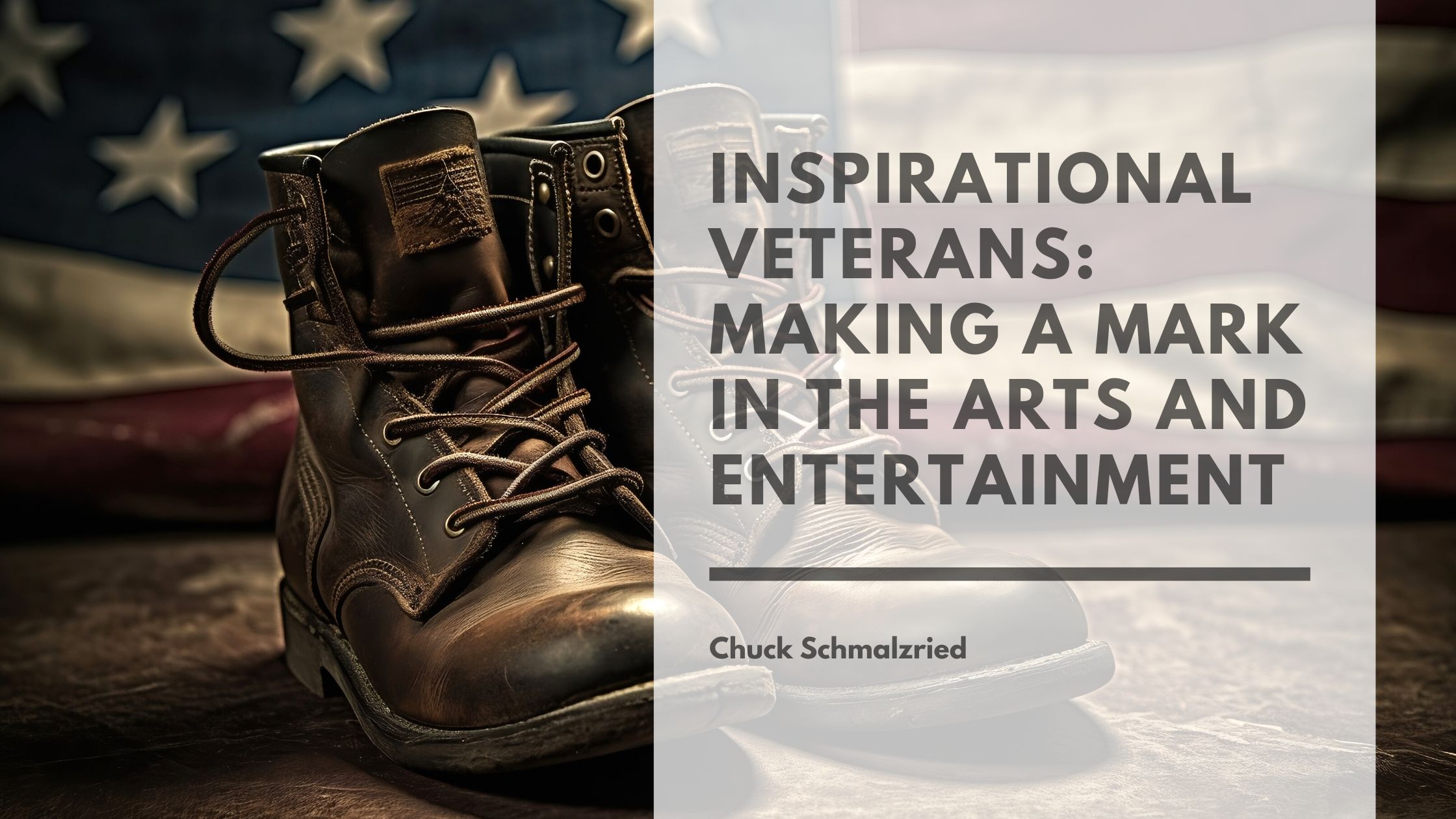
Inspirational Veterans: Making a Mark in the Arts and Entertainment

The arts and entertainment industry has always been a platform for creativity, self-expression, and storytelling. It’s a world where individuals can captivate audiences, inspire change, and leave a lasting impact. Many military veterans have transitioned from service to making their mark in this dynamic and often challenging field. Their journeys are remarkable and serve as a testament to the power of resilience, determination, and the human spirit.

James Earl Jones:

James Earl Jones, an iconic actor with one of the most recognizable voices in the world, served in the United States Army during the Korean War. 

Morgan Freeman:

Morgan Freeman was an Air Force radar technician known for his powerful on-screen presence and narration work. Freeman’s distinct voice and acting have made him a beloved figure in Hollywood.

Ice-T:

Before becoming a successful musician, actor, and television personality, Ice-T served in the U.S. Army and was honorably discharged. 

Tony Bennett:

The legendary singer and performer Tony Bennett was drafted into the U.S. Army during World War II. He is celebrated for his contributions to jazz and popular music, with timeless hits like “I Left My Heart in San Francisco.” Bennett’s enduring career has garnered numerous accolades, including multiple Grammy Awards.

Adam Driver:

Adam Driver, known for his compelling performances in films like “Marriage Story” and his role as Kylo Ren in the “Star Wars” sequel trilogy, served in the Marine Corps. His experiences in the military have informed his acting and advocacy work, particularly in support of fellow veterans.

Rob Riggle:

Rob Riggle, a former Marine Corps officer, transitioned from his military service to a successful career in comedy and acting. He has appeared in various films and television shows, including “The Hangover” and “The Daily Show.”

Harry Belafonte:

Harry Belafonte, a singer, actor, and social activist, served in the U.S. Navy during World War II. He has used his fame and influence to advocate for civil rights and humanitarian causes, significantly impacting the entertainment industry and society.

These veterans who have made a mark in the arts and entertainment industry exemplify the spirit of resilience and adaptability that many servicemen and women carry with them as they transition to civilian life. Their experiences in the military have informed their creative work and often fuel their commitment to making a positive impact on society. 

The post Inspirational Veterans: Making a Mark in the Arts and Entertainment first appeared on Chuck Schmalzried | Stories of Heroes.

from Chuck Schmalzried | Stories of Heroes http://chuckschmalzried.net/inspirational-veterans-making-a-mark-in-the-arts-and-entertainment/?utm_source=rss&utm_medium=rss&utm_campaign=inspirational-veterans-making-a-mark-in-the-arts-and-entertainment

Holistic Nutrition: Fueling Your Body for Optimal Health

Nutrition plays a pivotal role in our overall health and well-being. However, holistic nutrition takes things a step further by emphasizing the foods we eat and the interconnectedness of our body, mind, and spirit. In this blog post, we’ll explore the concept of holistic nutrition and how it can help you fuel your body for optimal health.

Whole Foods

Holistic nutrition focuses on consuming whole, unprocessed foods close to their natural state. These foods are affluent in essential nutrients, fiber, and antioxidants, providing the body with the building blocks for optimal functioning. Whole foods include fruits, vegetables, grains, lean proteins, and nuts.

Balancing Nutrients

Holistic nutrition emphasizes balancing macronutrients and micronutrients in your diet. Achieving the right balance ensures that your body receives the energy and nutrients for every aspect of your health, from physical performance to mental clarity.

Mindful Eating

Holistic nutrition promotes mindful eating, which means paying attention to your body’s signals about hunger and fullness. Eating mindfully helps prevent overeating and promotes a healthy relationship with food.

Digestive Health

Digestive health is a cornerstone of holistic nutrition. A well-functioning digestive system is essential for absorbing nutrients and eliminating waste. Holistic nutritionists often recommend foods that support digestion, such as fiber-rich foods, probiotics, and digestive enzymes.

Individualized Approach

Holistic nutrition recognizes that every person is unique, with different dietary needs and preferences. It considers factors like age, gender, activity level, and underlying health conditions to create personalized nutrition plans that promote optimal health.

Stress Management

Holistic nutrition acknowledges the significant impact of stress on our health. Chronic stress can disrupt digestion, weaken the immune system, and lead to poor food choices. Holistic nutritionists often recommend stress management techniques such as mindfulness, meditation, and relaxation exercises.

Long-Term Health

Holistic nutrition is not just about short-term diets but about making sustainable lifestyle changes. It promotes a balanced and healthy approach to eating that can be maintained throughout your life, supporting long-term health and vitality.

Emotional and Spiritual Connection

In addition to physical health, holistic nutrition considers the emotional and spiritual aspects of eating. It encourages individuals to develop a positive relationship with food, one that nourishes not only the body but also the soul.

Holistic nutrition goes beyond the conventional view of food as mere sustenance and delves into the profound impact that our dietary choices have on our overall health. By embracing a holistic approach to nutrition, you can fuel your body for optimal health, improve your digestion, manage stress, and enhance your overall well-being. Remember that holistic nutrition is not a one-size-fits-all approach; it’s about tailoring your diet to your unique needs and circumstances. 

If you’re seeking a sustainable and comprehensive way to achieve better health, consider exploring the principles of holistic nutrition and how they can transform your relationship with food and your overall quality of life.

The post Holistic Nutrition: Fueling Your Body for Optimal Health first appeared on Chuck Schmalzried| Holistic Treatments.

from Chuck Schmalzried| Holistic Treatments http://chuckschmalzried.org/holistic-nutrition-fueling-your-body-for-optimal-health/?utm_source=rss&utm_medium=rss&utm_campaign=holistic-nutrition-fueling-your-body-for-optimal-health

The Benefits of Holistic Therapies

In an increasingly hectic world, people seek more comprehensive health and well-being approaches. Holistic therapies, which take into account the whole person—body, mind, and spirit—have gained popularity for their ability to promote balance, alleviate stress, and improve overall health. In this blog post, we’ll explore the numerous benefits of holistic therapies.

Holistic Health and Balance

One of the fundamental principles of holistic therapies is the belief that physical, emotional, and spiritual well-being are interconnected. These therapies focus on restoring balance and harmony to all aspects of a person’s life. They promote long-term well-being rather than symptom management by handling the root causes of health issues.

Stress Reduction

Holistic therapies often incorporate relaxation techniques such as meditation, yoga, and mindfulness. These practices help individuals manage stress more effectively, lowering cortisol levels and reducing the risk of stress-related health problems like heart disease and anxiety disorders.

Pain Management

Many holistic therapies, including acupuncture, massage, and chiropractic care, effectively manage chronic pain. They promote circulation, reduce muscle tension, and release endorphins, the body’s natural painkillers.

Improved Mental Health

Holistic therapies like talk therapy, art therapy, and equine therapy provide individuals with safe spaces to express themselves and process their emotions. These therapies are valuable tools for treating depression, anxiety, and trauma.

Enhanced Self-Awareness

Holistic therapies encourage individuals to become more attuned to their bodies and emotions. Mindfulness practices, for example, teach individuals to be present in the moment, fostering a deeper understanding of their thoughts and feelings.

Better Sleep

Sleep disorders are common in our fast-paced society. Holistic therapies like aromatherapy, herbal remedies, and relaxation techniques can help individuals relax before bedtime, improving sleep quality.

Nutritional Guidance

When creating meal plans, holistic nutritionists consider the individual’s unique dietary needs and lifestyle. This personalized approach can help people achieve and maintain a healthy weight, enhance digestion, and boost overall energy levels.

Long-Term Wellness

Holistic therapies empower individuals to participate in their health and well-being actively. By addressing the root reasons of health issues and making positive lifestyle changes, people can experience long-term wellness benefits.

Holistic therapies offer a holistic approach to health and well-being beyond traditional medical treatments. By considering the interconnectedness of body, mind, and spirit, these therapies provide a comprehensive solution to many health issues. 

Whether you’re looking to reduce stress, manage chronic pain, improve your mental health, or enhance your overall well-being, holistic therapies have much to offer. Embracing these therapies can lead to a more balanced, healthier, and fulfilling life. If you haven’t explored holistic therapies, consider adding them to your wellness routine.

The post The Benefits of Holistic Therapies first appeared on Chuck Schmalzried| Holistic Treatments.

from Chuck Schmalzried| Holistic Treatments http://chuckschmalzried.org/the-benefits-of-holistic-therapies/?utm_source=rss&utm_medium=rss&utm_campaign=the-benefits-of-holistic-therapies

How Military Experience Fuels Business Success

The transition from military service to the civilian workforce can be challenging. Still, it’s a transition that often equips veterans with unique skills and qualities that fuel business success. Military experience instills discipline, leadership, adaptability, and problem-solving abilities that are highly valuable in business. In this blog post, we’ll explore how military experience is a powerful catalyst for success in the business realm.

  • Leadership Skills

Military service requires individuals to take on leadership roles from early on. Veterans often have experience leading teams, making critical decisions under pressure, and managing complex operations. These leadership skills translate seamlessly into the business world, enabling veterans to excel as managers, executives, and entrepreneurs.

  • Discipline and Work Ethic

The military is synonymous with discipline and a strong work ethic. Veterans are accustomed to rigorous routines, adhering to strict schedules, and going the extra mile to complete tasks. These qualities make them reliable, committed, and highly productive employees in the corporate world.

  • Adaptability

Military personnel often find themselves in diverse and unpredictable environments. They learn to adapt quickly to changing circumstances, whether on the battlefield or in administrative roles. Adaptability is a prized trait in the business world, especially in rapidly evolving industries.

  • Problem-Solving Abilities

Veterans are trained to analyze situations, identify problems, and develop effective solutions. This problem-solving mindset is invaluable in business, where challenges arise daily. Veterans are well-equipped to tackle complex issues and find innovative solutions.

  • Teamwork and Collaboration

The military places a strong emphasis on teamwork and collaboration. Veterans understand the importance of working together towards a common goal. This ability to collaborate effectively with colleagues and clients is a valuable asset in the corporate world.

  • Resilience and Stress Management

Military service often exposes individuals to high-stress situations. Veterans develop resilience and effective stress management techniques. In business, where pressure is a constant, this resilience helps veterans stay focused and perform at their best, even under demanding conditions.

  • Integrity and Values

Military values such as integrity, honor, and a commitment to a higher purpose are deeply ingrained in veterans. These values translate into ethical behavior, trustworthiness, and a strong sense of responsibility in business dealings.

Military experience brings a wealth of valuable attributes to the business world. Veterans’ leadership skills, discipline, adaptability, problem-solving abilities, teamwork, resilience, and strong values make them valuable assets in any organization. Companies that hire veterans often benefit from a diverse workforce with a unique blend of experiences and capabilities.

Businesses need to recognize and tap into the potential of veterans. Initiatives to recruit, mentor, and support veterans in their civilian careers not only contribute to the success of these individuals but also enhance the overall success and diversity of the business world. Military experience is a powerful resource that fuels business success, and as veterans continue to transition into the corporate world, the advantages they bring become increasingly evident.

The post How Military Experience Fuels Business Success first appeared on Chuck Schmalzried | Stories of Heroes.

from Chuck Schmalzried | Stories of Heroes http://chuckschmalzried.net/how-military-experience-fuels-business-success/?utm_source=rss&utm_medium=rss&utm_campaign=how-military-experience-fuels-business-success